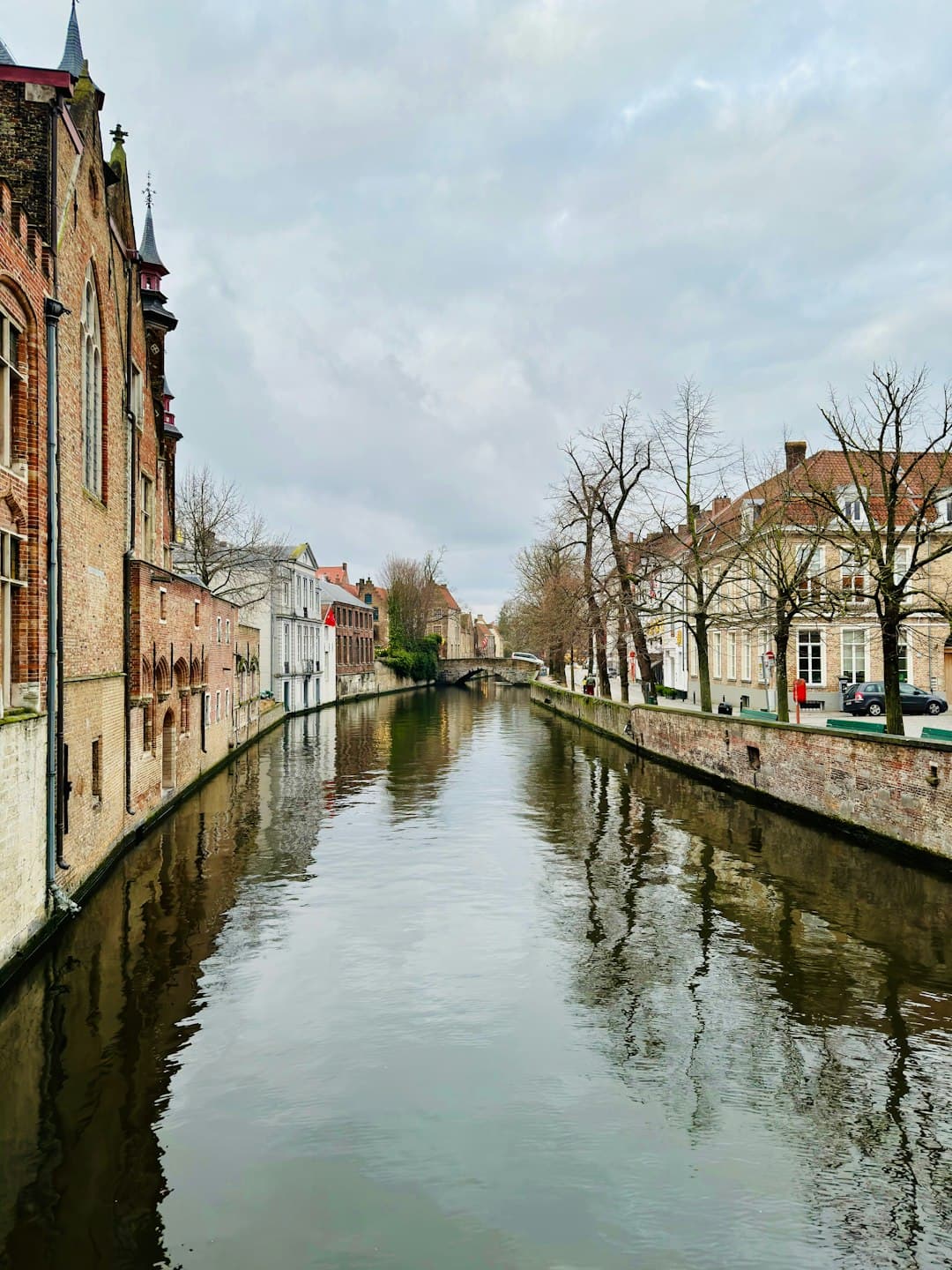
Bruges is famous for its medieval old town, its canals and its art. Its historic centre has been a UNESCO World Heritage Site since 2000, and very little of it has changed since the city was one of the richest trading ports of northern Europe. That is why travellers call it the "Venice of the North", and why it is the most popular day trip from Brussels.
Below are the 12 sights that make Bruges famous, in an order that works well for a single day, plus practical tips on getting there from Brussels.
Why Bruges became so famous
In the Middle Ages, Bruges was connected to the North Sea by the Zwin inlet and became a major hub for the Hanseatic trade in wool, cloth and luxury goods. Merchants from all over Europe settled here, and their wealth paid for the churches, guildhalls and paintings you still see today. When the Zwin silted up in the 15th and 16th centuries, trade moved to Antwerp and Bruges fell asleep for centuries. That long sleep is exactly what preserved it.
12 things to see in Bruges in one day
1. The Markt (Market Square)
The heart of the city, lined with colourful gabled guildhouses and the provincial court. Come early in the morning to see it before the crowds.
2. The Belfry of Bruges
The 83-metre medieval bell tower dominates the Markt. Climb its 366 steps for the best view over the red roofs, and listen to the carillon of 47 bells.
3. The Burg and the City Hall
A few steps from the Markt, the Burg square holds the Gothic City Hall (built between 1376 and 1421), one of the oldest city halls in the Low Countries.
4. The Basilica of the Holy Blood
Also on the Burg, this double chapel keeps a relic venerated since the Middle Ages. Every year on Ascension Day it is carried through the city in the Procession of the Holy Blood.
5. The Rozenhoedkaai
The most photographed corner of Bruges: a quay where two canals meet, with the Belfry rising behind the old houses.
6. A canal boat ride
A 30-minute boat trip is the easiest way to understand the city's layout and see facades that you cannot reach on foot.
7. The Church of Our Lady and Michelangelo's Madonna
Its brick tower is about 115 metres high, and inside you will find the Madonna and Child by Michelangelo, the only sculpture by the artist to leave Italy during his lifetime.
8. The Groeningemuseum
The place to see the Flemish Primitives, including works by Jan van Eyck and Hans Memling, painted in Bruges when it was at its richest.
9. The Beguinage (Begijnhof)
Founded in 1245, this quiet enclosure of white houses around a garden was home to the beguines, religious women who lived without taking vows. Today it is one of the calmest places in the city.
10. The Minnewater ("Lake of Love")
Next to the Beguinage, this former harbour basin is surrounded by trees and swans. A short walk along it is the perfect break.
11. The windmills on the old ramparts
On the eastern edge of the city, along the Kruisvest, several windmills still stand on the former city walls, including the Sint-Janshuismolen, which still grinds flour.
12. Belgian chocolate and beer
Bruges has dozens of chocolate makers, and the family brewery De Halve Maan is famous for its 3-kilometre underground beer pipeline that carries beer from the brewery to its bottling plant outside the centre.
How long do you need in Bruges?
One full day is enough to see the highlights above at a relaxed pace. Many visitors combine Bruges with Ghent in the same day: the two cities are about 50 kilometres apart, so a private tour can easily include both.
How to get to Bruges from Brussels
- By car: about 100 km, around 1 hour 15 minutes, depending on traffic.
- By train: about 1 hour from Brussels-Central, then a 20-minute walk or a bus to the centre.
- By private tour: pickup at your Brussels hotel in a luxury Mercedes, with a private certified guide who walks you through the city and a professional chauffeur who waits for you. No timetables, no crowds of tour buses, and you can add Ghent on the way back.
Best time to visit Bruges
Bruges is busiest on summer weekends. For the most pleasant visit, come on a weekday, start early in the morning, or visit in spring and autumn. In December, the Christmas market on the Markt makes the city especially atmospheric.